Use practical RV wellness routines for hydration, movement, sleep, food, and recovery so you can feel better and enjoy more of every travel day.
Wellness on an RV trip is not a performance program. It is the system that protects your ability to enjoy the road. Driving days, unfamiliar beds, weather, elevation, changing meals, and ambitious itineraries can disrupt even a good routine. The answer is not perfection. It is a small set of decisions that still works when the campsite is hot, the route runs long, or everyone wakes up tired.
This guide organizes those decisions around the moments that matter most: before departure, behind the wheel, during a long stop, at arrival, and before sleep. Use it with our 15-point RV trip-planning checklist to build a route that respects both the rig and the people inside it.
Why an RV wellness system matters
Road travel combines long periods of sitting with bursts of setup, breakdown, hiking, shopping, and problem-solving. The bed changes angle. Temperature and noise change. A fuel delay eats the time reserved for dinner. A high-elevation campground makes an ordinary walk feel unexpectedly hard.
A useful system removes decisions when energy is low. Water has a reachable place. Breaks are already part of the route. A simple meal is available. The cooling backup is known. Arrival happens before everyone is too tired to think. None of this looks dramatic, which is exactly why it works.
Before the trip: make the personal plan
Start with the people, not the destination. Consider sleep needs, mobility, heat tolerance, allergies, prescriptions, chronic conditions, recent illness, and whether the route includes unusual altitude or long gaps from care. Keep an updated medication list, emergency contacts, insurance information, and a basic summary of important health conditions available offline.
Some medicines can affect heat tolerance, fluid balance, alertness, or safe storage temperature. Ask a clinician or pharmacist how your own medicines should be handled before a hot or high-altitude trip, and never stop or change a medicine on the basis of general travel advice. Travelers with heart or lung disease, a history of blood clots, pregnancy, limited mobility, or other important risk factors may also need individualized guidance before a long drive or altitude change.
Finally, locate urgent care or emergency services near remote stops and decide how you would leave if weather, smoke, illness, or a mechanical problem made the campsite unsafe. A backup is part of the wellness plan, not evidence that the trip failed.
1. Treat sleep as a driving-safety system
Adults generally need at least seven hours of sleep, and the National Highway Traffic Safety Administration emphasizes that adequate daily sleep is the only true protection against drowsy driving. Build the departure time around a realistic night of sleep rather than shaving rest to create an earlier start.
When possible, avoid the hours when sleepiness commonly peaks—midnight through early morning and again in the late afternoon. Check labels on prescription and over-the-counter medicines for drowsiness warnings, and remember that alcohol and fatigue compound impairment.
Coffee and energy drinks do not make an exhausted driver safe. NHTSA describes a safely parked 20-minute nap paired with one or two cups of coffee as a short-term measure for someone who becomes sleepy while driving; it is not a replacement for sleep. If the driver is yawning repeatedly, drifting, missing signs, forgetting recent miles, or struggling to keep their eyes open, pull over in a safe place. Change drivers, sleep, or revise the itinerary.
2. Hydrate without chasing a universal number
There is no single daily water target that works for every traveler, climate, activity, medicine, and medical condition. A better road routine is to keep drinking water within reach, sip regularly, refill at known stops, and increase attention during heat, exercise, dry weather, illness, or altitude exposure.
The CDC’s heat guidance recommends carrying water and drinking regularly in hot conditions while limiting drinks that are very sugary, high in sodium, caffeinated, or alcoholic. Urine color can be a rough hydration cue for many people, but it is not a diagnosis. People with fluid restrictions or conditions affecting the heart, kidneys, or fluid balance should follow their clinician’s personal plan.
Make water easy before trying to make it interesting. Fill bottles the evening before, keep one in the cab and one in the day bag, and record dependable refill locations. Electrolyte products can be convenient for some activities, but more is not automatically better and they are not required for every normal travel day.
3. Build movement into the route
More than four hours of travel by car, bus, train, or air can increase blood-clot risk. The CDC recommends moving your legs frequently and walking every one to two hours during long trips. That makes movement a route-planning item, not something to remember after five straight hours behind the wheel.
At a safe stop, walk for a few minutes, move the ankles, and gently work the calf muscles. Inside the seat, change position when it is safe and avoid packing the footwell so tightly that normal leg movement is impossible. A passenger can set the break reminder and check the next safe pull-off before the timer ends.
These habits do not eliminate risk. Anyone with a previous clot, recent surgery or injury, pregnancy, cancer, estrogen use, limited mobility, or another risk factor should ask a healthcare professional about long-distance travel before departure.
4. Eat for steady energy, not a perfect menu
Travel food works best when the lowest-effort option is still useful. Pack a few balanced combinations built around protein, fiber-rich carbohydrates, produce, and foods you already tolerate. Add portable snacks for a delayed arrival and one simple dinner that needs very little preparation.
Keep cold food at a safe temperature, avoid leaving perishables in a warm tow vehicle or cab, and clean hands or use an appropriate alternative before handling food. If the day includes a major hike, a medical diet, food allergies, or blood-sugar management, plan around those needs instead of copying someone else’s road menu.
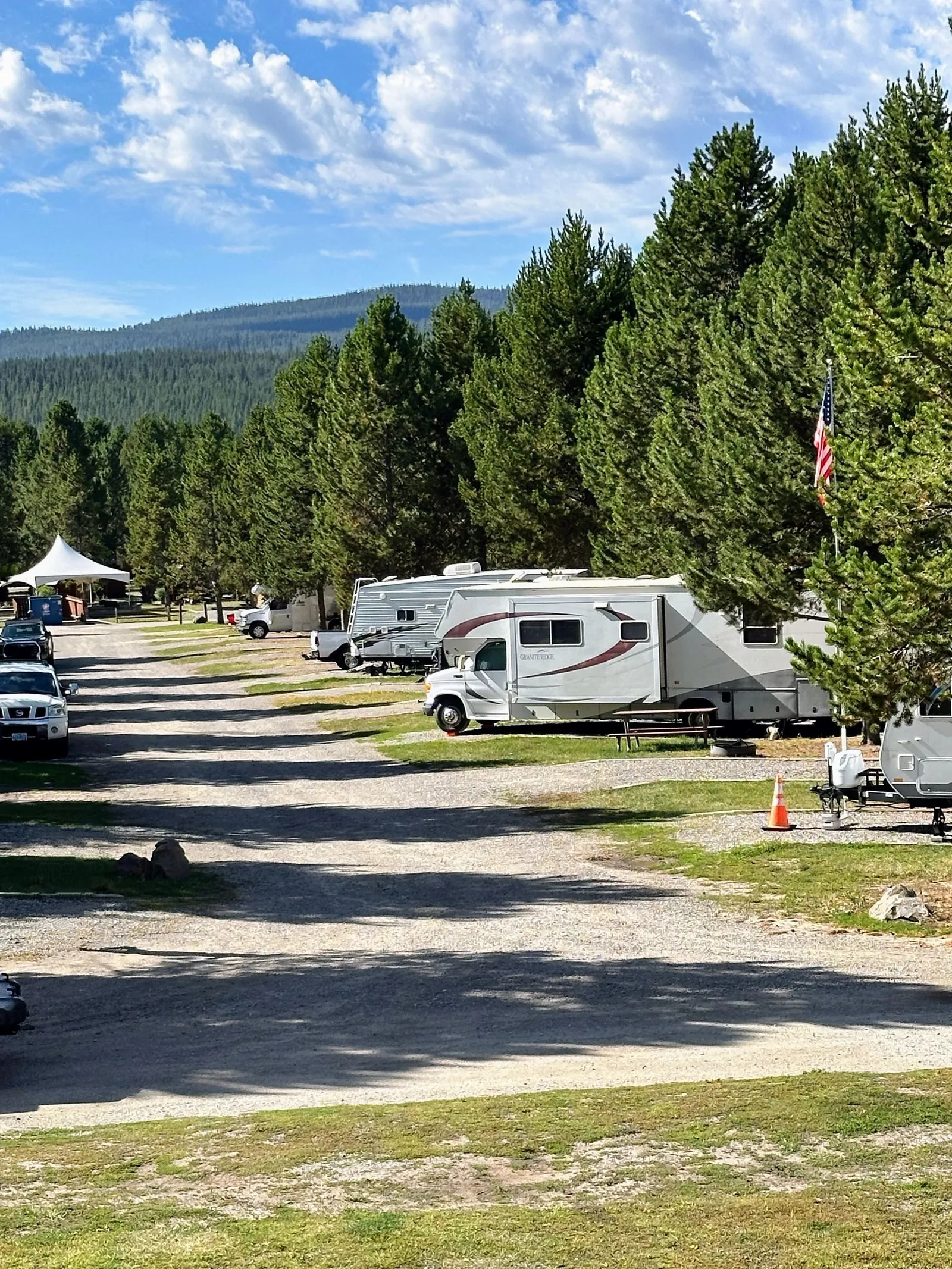
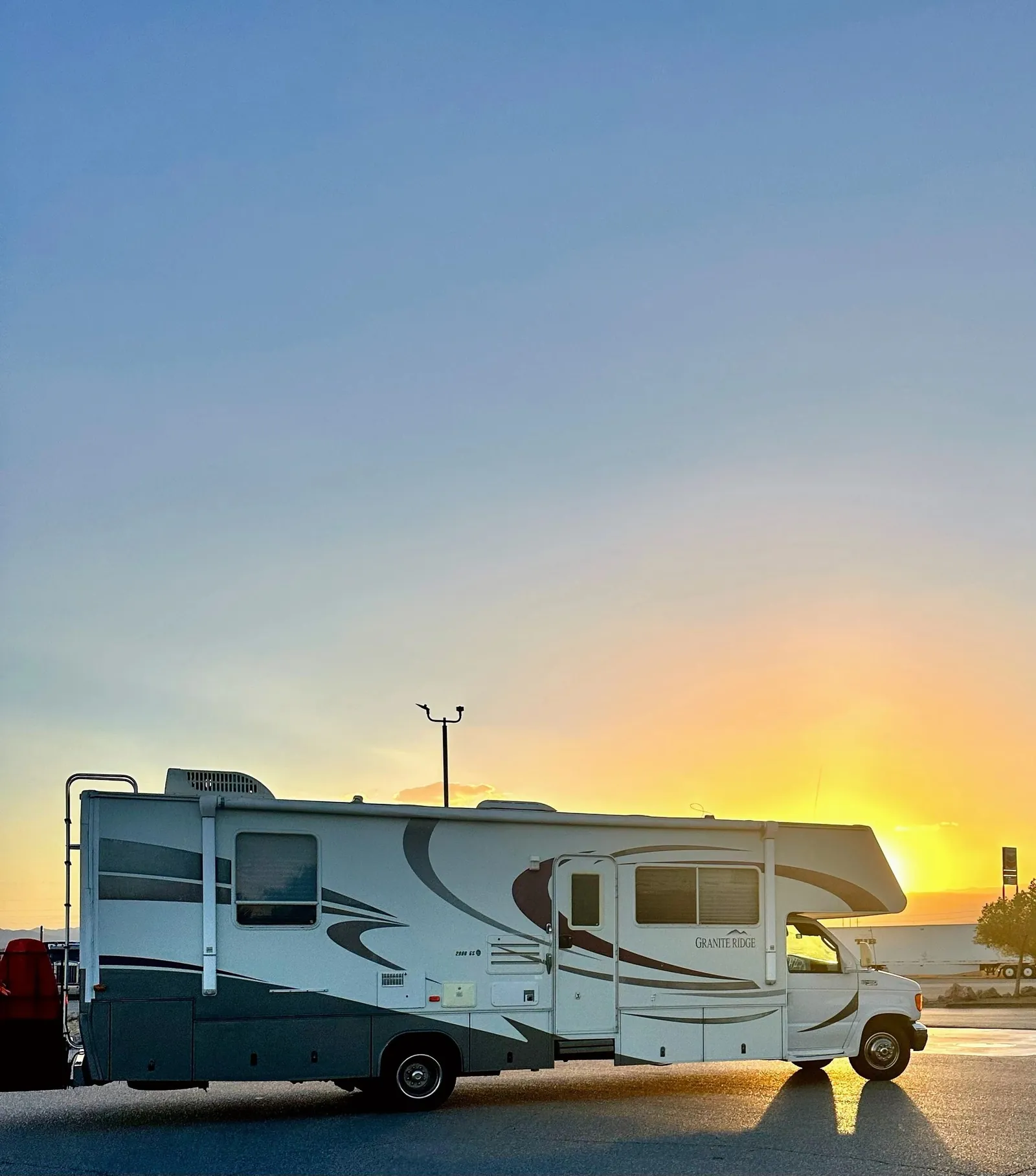
We use the RV as a stable base camp: familiar breakfast, reachable snacks, and a calm dinner are often more valuable than packing a complicated new wellness recipe for every day.
5. Plan for heat, sun, and RV cooling
Heat deserves a system because an RV can become dangerously hot quickly. Check the forecast and heat alerts, schedule strenuous activity for cooler hours, use shade and breathable layers, and identify an air-conditioned fallback. Never leave a person or pet in a parked vehicle in warm conditions.
Fans can improve comfort, but the CDC warns that using a fan alone when indoor temperature is above 90°F can increase body temperature. Know whether shore power, batteries, generator rules, or another cooling source can support the actual conditions. If the plan depends on campground power, identify what you will do during an outage before the hot day begins.
Sun exposure still matters on cool or cloudy days and increases with elevation. The CDC advises shade, protective clothing, eye protection, and broad-spectrum sunscreen rated SPF 30 or higher. Pack those items where they can be reached without unpacking the rig.
6. Let the body set the altitude pace
Unacclimatized travelers who sleep around 8,000 feet or higher can be at risk for altitude illness. Acclimatization is most important during the first three to five days, so a fast climb followed immediately by a hard hike is a poor bargain even when the calendar allows it.
The CDC’s high-altitude guidance recommends gradual ascent, only mild exercise during the first 48 hours at altitude, and avoiding alcohol during those first 48 hours. A headache accompanied by nausea, dizziness, unusual fatigue, or poor sleep can signal acute mountain sickness.
Do not go higher while symptoms are present. If symptoms worsen despite rest, descend and seek appropriate medical care. Confusion, severe breathing difficulty, loss of coordination, or other severe symptoms require urgent action. Travelers with relevant heart, lung, blood, or neurologic conditions should discuss the planned sleeping elevation with a clinician familiar with altitude medicine before the trip.
7. Protect recovery at camp
Recovery starts before arrival. Choose a realistic driving day, keep the campsite instructions offline, and aim to set up in daylight. If the route runs late, use the simple meal and the minimum safe setup rather than turning exhaustion into a full campsite production.
Inside the RV, make the sleep space as dark, quiet, cool, and level as practical. Keep a repeatable wind-down routine: dim lights, finish tomorrow’s route decisions, set out water, silence avoidable alerts, and allow the nervous system to recognize that the travel day is over.
On a demanding trip, make the arrival evening or following morning deliberately lighter. A recovery block is not wasted destination time; it can protect the quality of everything that follows.
The RV wellness systems checklist
- Sleep: realistic bedtime, quiet hours, level site, temperature plan, and a rested-driver decision.
- Water: drinking supply, refill locations, reachable bottles, and any personal fluid instructions.
- Movement: safe walking stops every one to two hours on long drives and accessible footwear.
- Heat: forecast, shade, cooling source, power backup, pet plan, and an air-conditioned escape.
- Altitude: sleeping elevation, gradual route, lighter first 48 hours, and an exit route.
- Food: familiar meals, portable snacks, safe cold storage, and a low-effort arrival dinner.
- Medicines: current list, enough supply, correct storage, drowsiness awareness, and clinician instructions.
- Air and weather: smoke or air-quality check, storm plan, layers, and indoor alternative.
- Help: emergency contacts, insurance, care locations, offline directions, and a reliable way to call.
A realistic one-day routine
The evening before
- Confirm the route, weather, smoke, elevation change, fuel, and first safe break.
- Fill water, prepare simple food, organize medicines, and pack the day bag.
- Set a departure time that leaves room for enough sleep.
Travel morning
- Eat a familiar breakfast, check how the driver actually feels, and adjust if sleep was poor.
- Put water and useful snacks within reach before the rig moves.
- Review who will watch navigation, weather changes, and break timing.
Each driving block
- Use the planned safe stop to walk, move the legs, drink, and reassess alertness.
- Switch drivers or shorten the day before fatigue becomes a debate.
- Update the campsite if the arrival window changes.
At arrival
- Complete the minimum safe setup first: level, secure, connect only what conditions require, and cool or warm the interior.
- Eat the simple meal, take a short comfortable walk if appropriate, and save optional setup for daylight.
- Protect the next sleep period instead of trying to recover lost itinerary time.
Wellness gear that may earn RV space
Useful wellness gear supports a repeatable system. That may include refillable bottles, a compact shade solution, weather layers, a reliable cooling plan, sleep masks or earplugs, walking shoes, a basic first-aid kit, and an organized way to store medicines at the required temperature.
Buy for a defined problem, not for an aspirational routine. Before adding a device or supplement, ask what it solves, whether you will use it on this trip, how it is powered or stored, and whether a simpler item already does the job. Our road-ready gear guide explains the same space-versus-value test we use throughout the Green Machine.
When to stop the plan and get help
Warning signs are not challenges to outlast. Call 911 or local emergency services for confusion, fainting, very high body temperature, chest pain, sudden shortness of breath, coughing blood, loss of coordination, severe breathing difficulty, or another symptom that appears life-threatening. One-sided leg swelling, pain, warmth, or redness after travel also needs prompt medical evaluation, especially if accompanied by chest symptoms.
Move a person with suspected heat illness to a cooler place while help is arranged. At altitude, do not continue upward with symptoms; worsening or severe symptoms call for descent and urgent evaluation. This list is not exhaustive. When the situation feels unsafe or symptoms are severe, sudden, or worsening, use professional emergency help instead of an online checklist.
RV wellness FAQs
How much water should I drink on an RV trip?
Needs vary by person, climate, activity, altitude, medicines, food, and medical conditions, so there is no safe universal amount for everyone. Keep water accessible, drink regularly, and follow individualized medical guidance if you have a fluid restriction or health condition.
How often should we stop on a long driving day?
CDC travel guidance recommends moving the legs frequently and walking every one to two hours during trips longer than four hours. Fatigue, mobility, medical needs, pets, and road conditions may require more frequent stops.
At what elevation should we think about altitude illness?
Risk varies, but the CDC notes that unacclimatized travelers sleeping at about 8,000 feet or higher can be at risk. Plan gradual ascent and lighter first days, and never ascend through symptoms.
Can caffeine fix drowsy driving?
No. Caffeine may help briefly, but it does not replace adequate sleep and can create false confidence. If the driver is sleepy, pull over safely and change the driving or overnight plan.
How do we stay well in a small RV?
Focus on systems rather than equipment: a consistent place for water, simple food, a cool and dark sleep space, movement built into the route, organized medicines, and permission to shorten the day.
The Green Machine wellness standard
Our best travel days do not begin with a flawless routine. They begin with enough sleep, a realistic route, reachable water, room to move, and the willingness to change course. We want wellness to create more freedom—not another demanding itinerary.
Use the free Ready-to-Roll RV Trip Planner to capture breaks, weather, supplies, care contacts, and backup stops. For Amy and Ryan’s simpler everyday habits, read 7 Ways We Stay Healthy Adventuring in Nature. Then visit the growing Wellness on the Road collection.
Planning note: Public-health and road-safety guidance was reviewed in August 2026. This article is educational and is not a diagnosis or a substitute for individualized medical care. Follow your clinician’s instructions and contact local emergency services for urgent symptoms.

First-hand field notes
Written by Amy & Ryan
We share RV travel, comfortable glamping, unusual road finds, wellness routines, and honest lessons from our own Green Machine adventures.
Meet us and the Green Machine