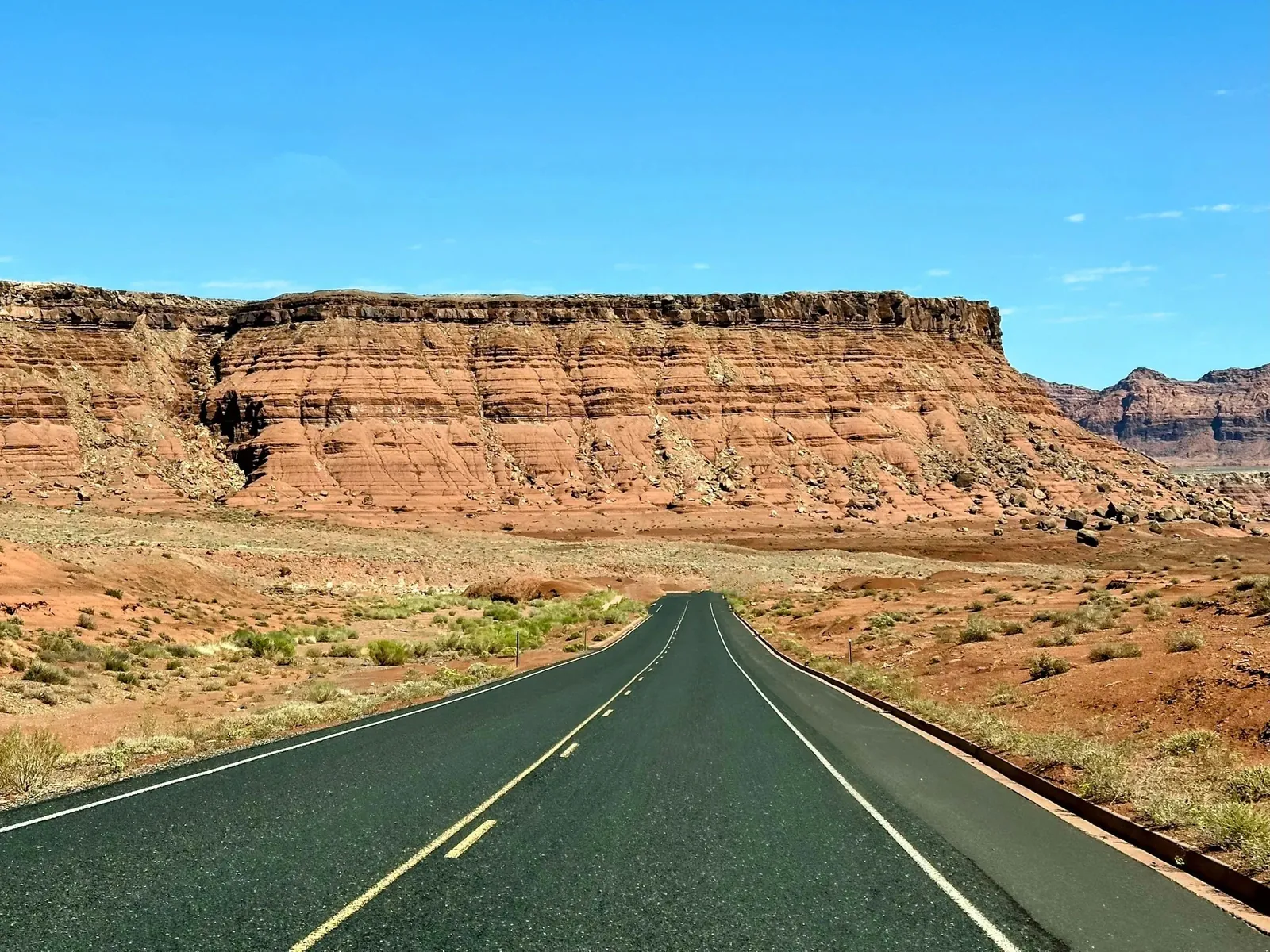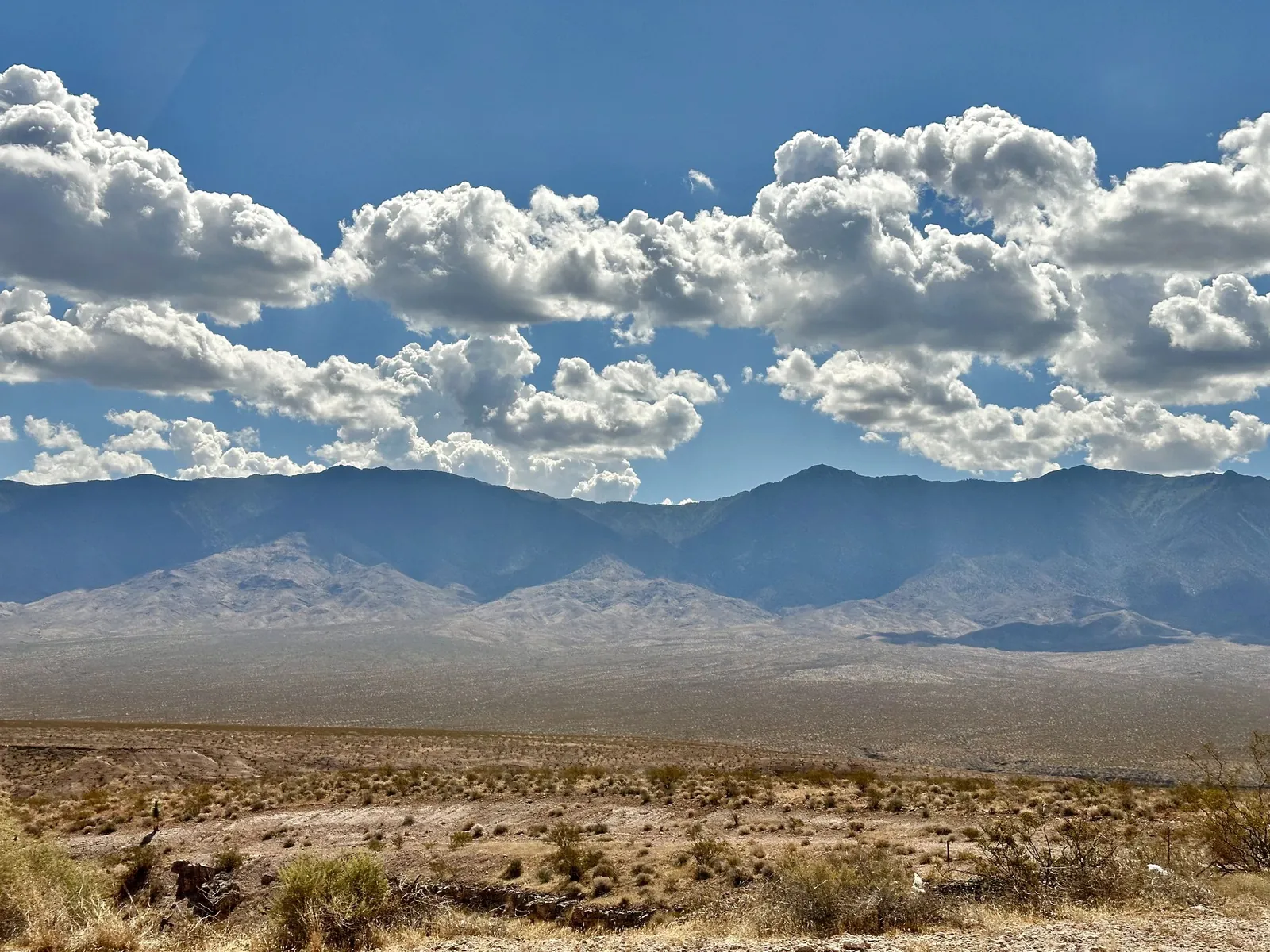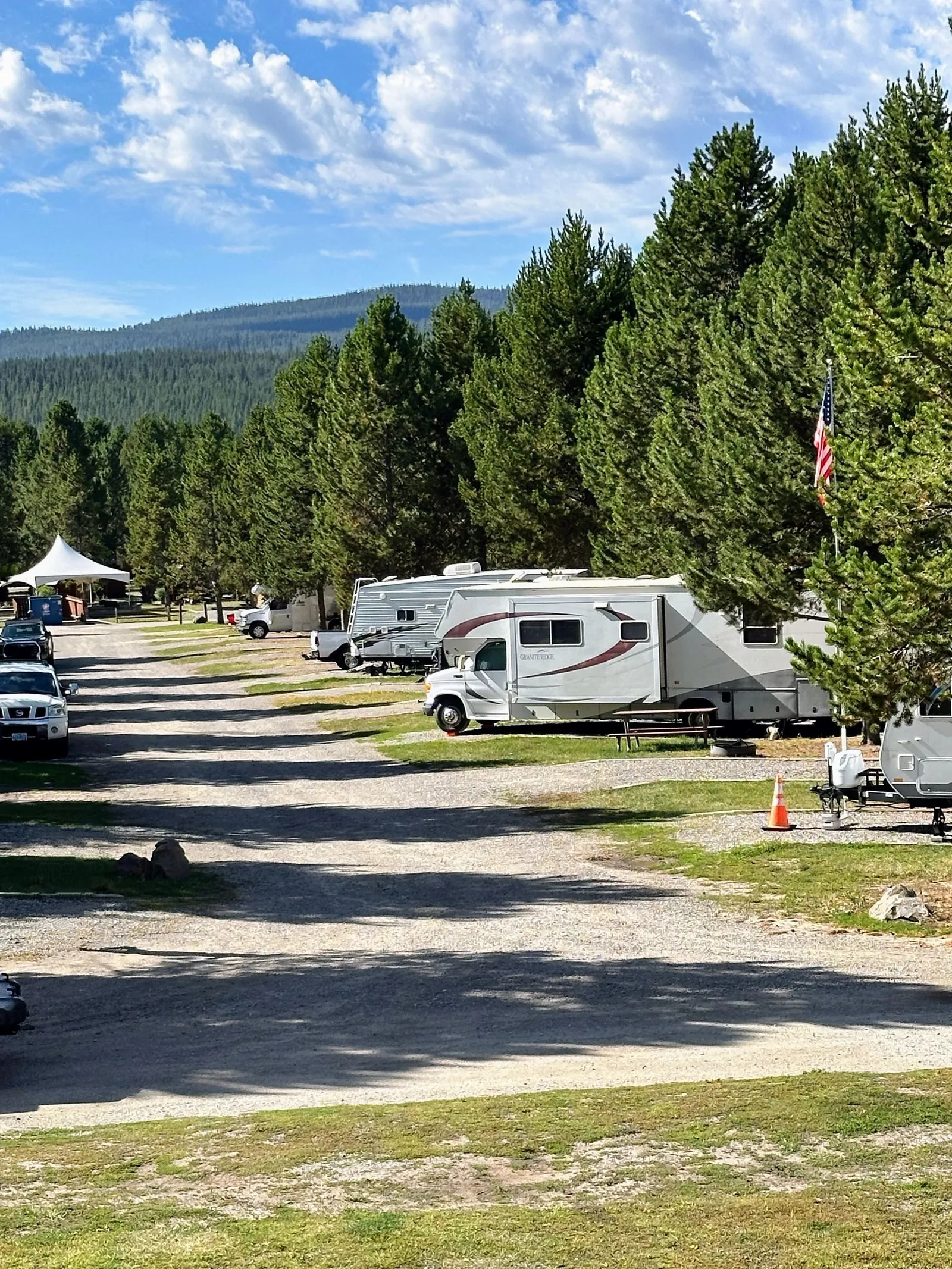
Use this 15-point RV trip planning checklist to check safety, power, water, connectivity, weather, routes, campground details, and backup plans.
A good RV trip plan should create freedom, not turn the journey into a spreadsheet. The goal is to make the important decisions before departure so you can be more flexible once the Green Machine is rolling.
We use a repeatable checklist because RV travel has more moving pieces than a hotel trip. The route, rig, campsite, power, water, weather, food, connectivity, and arrival window all affect one another. Confirming them in the right order prevents small surprises from becoming expensive or exhausting problems.
The quick RV trip-planning checklist
If departure is close, start with these 15 questions:
- Is the daily driving distance realistic for the people, pets, and rig?
- Are every campsite and check-in window confirmed?
- Do you know the rig’s height, length, weight, and turning needs?
- Have you checked road grades, closures, surface conditions, gates, and turnaround space?
- Where are the dependable fuel or charging stops?
- What power is available, and what is the backup plan?
- Where will you fill fresh water and empty holding tanks?
- What weather, heat, cold, wind, smoke, or elevation should you prepare for?
- Will you have the cell coverage or internet access you actually need?
- Are food, prescriptions, and essential supplies covered between stops?
- Which adventure gear earns space on this particular trip?
- Are insurance, registration, reservations, and emergency contacts easy to reach?
- Do pets have the food, records, temperature plan, and campground clearance they need?
- Can you arrive with daylight and enough time to set up calmly?
- What is the backup stop if the original plan stops working?
You can capture all of these answers in our free Ready-to-Roll RV Trip Planner. The sections below explain why the order matters.
1. Decide what the trip is really for
Before choosing every stop, name the purpose of the trip. Are you trying to rest, hike, visit people, find unusual roadside experiences, test a new setup, or simply spend time somewhere beautiful?
That answer changes the pace. A route that works for a destination-focused weekend can feel punishing on a trip meant to restore your energy. Choose one or two priorities, then protect enough unscheduled time to enjoy them.
2. Build a route the rig can actually handle
Map apps are useful, but a route that works for a car is not automatically right for an RV. Write down the Green Machine’s height, total length, weight, fuel range, and comfortable cruising pace before comparing routes.
Look beyond mileage. Mountain grades, narrow roads, construction, bridge clearances, fuel access, city traffic, and long gaps between services can turn a short-looking day into a demanding one.
For unfamiliar ranches, campgrounds, and rural properties, ask the host about the final approach. Our Crippled Spider Ranch story includes the access questions we recommend asking before taking an RV down a ranch road.
3. Confirm the campsite—not just the reservation
A confirmation number does not tell you everything you need to know. Record the site number, check-in window, after-hours procedure, cancellation policy, and contact number. Then confirm the practical fit:
- Site length and width
- Pull-through or back-in access
- Tree limbs, slopes, soft ground, and slide clearance
- Electrical service and adapter needs
- Water and sewer availability
- Generator rules and quiet hours
- Pet, fire, vehicle, and guest policies
For boondocking or partial hookups, treat water, waste, power, and weather as part of the reservation. Your resources determine how long the site will remain comfortable.
4. Plan power, water, and connectivity as systems
Power, water, and internet are easy to consider separately, but they work as one comfort system. A warm trip may increase air-conditioning and water needs. A workday may require dependable connectivity and more power. A shaded campsite may change expected solar production.
Write down the primary source and one backup for each:
- Power: campground pedestal, battery, solar, generator, or a combination.
- Water: onboard fresh water, campsite hookup, or a known fill location.
- Connectivity: primary carrier, hotspot, campground Wi-Fi, satellite, or a planned offline day.
If you are still deciding which upgrades deserve space, our road-ready gear guide explains how we separate useful systems from clutter.
5. Check weather, elevation, and your own energy
Forecasts affect much more than the clothes you pack. Wind may change a driving day. Heat can affect pets, sleep, hydration, and power use. Cold can affect water systems. Elevation can make an easy-looking activity feel very different.
Schedule demanding hikes or long driving days with recovery time around them. Carry water where you can reach it, keep simple food available, and avoid treating every day like a test of endurance. Our wellness-on-the-road guide shares the routines that help us keep enjoying the trip.
6. Pack for the plan, not every possible future
RV storage fills quickly when every “maybe” item gets a vote. Start with safety and daily-use essentials, then add gear tied to a specific activity on the itinerary.
For each optional item, ask:
- Will we use it on this trip?
- Does it solve a real problem or duplicate something already packed?
- Is the weight and storage space worth the benefit?
- Can it do more than one job?
This is especially useful for outdoor chairs, cooking tools, fitness gear, rockhounding equipment, and clothing for conditions that are unlikely.
7. Make food and supply stops part of the route
Meal planning does not have to mean scheduling every bite. Choose a few easy meals, keep one low-effort backup dinner, and note where fresh food is realistically available.
Restock before remote sections, and check prescriptions, pet supplies, propane, drinking water, and specialty items that may be hard to replace. A ten-minute supply check can prevent a long detour later.
8. Put documents and emergency information in one place
Keep digital and offline access to the information you would need if the phone signal disappeared:
- Driver licenses, registration, and insurance
- Roadside-assistance and warranty information
- Campground confirmations and host phone numbers
- Medical, prescription, veterinary, and emergency contacts
- Rig dimensions, tire information, and important equipment notes
Tell someone you trust where you expect to be when the route includes remote areas.
9. Protect the arrival
Arrival is when fatigue, excitement, directions, and unfamiliar space collide. Whenever possible, plan to reach a new campsite with daylight and enough time to walk the site before committing the rig.
Agree on the setup sequence before backing in. Know who is watching clearances, where pets will wait, and which systems must be checked first. A calm arrival creates a much better first evening.
10. Plan a backup without planning the joy out of it
A backup plan is not an admission that the trip will fail. It is what lets you change course without panic. Identify one alternate overnight stop, a weather-day activity, and the point at which you will stop pushing toward the original plan.
Then leave some space empty. The conversation, roadside sign, extra night, or quiet morning you did not schedule may become the best part of the trip.
What to check 48 hours before departure
- Recheck weather, closures, campground messages, and fuel stops.
- Confirm tire pressure, fluids, batteries, lights, hitch or tow equipment, and safety gear.
- Fill or empty tanks according to the route and available services.
- Download maps, confirmations, and entertainment needed offline.
- Secure the interior and exterior, then do one slow final walkaround.
- Review the first day’s route and agree on the first planned stop.
Use one plan, then improve it after every trip
The most useful checklist is the one that learns with you. After the trip, record what you used, what you forgot, which systems ran short, and what made the journey easier. That turns every mile into a better process for the next departure.
Download the free Ready-to-Roll RV Trip Planner to keep the route, campsite, rig, gear, safety, food, wellness, and post-trip notes together. If you are not sure which Green Machine path fits you yet, begin at Start Here.

First-hand field notes
Written by Amy & Ryan
We share RV travel, comfortable glamping, unusual road finds, wellness routines, and honest lessons from our own Green Machine adventures.
Meet us and the Green Machine