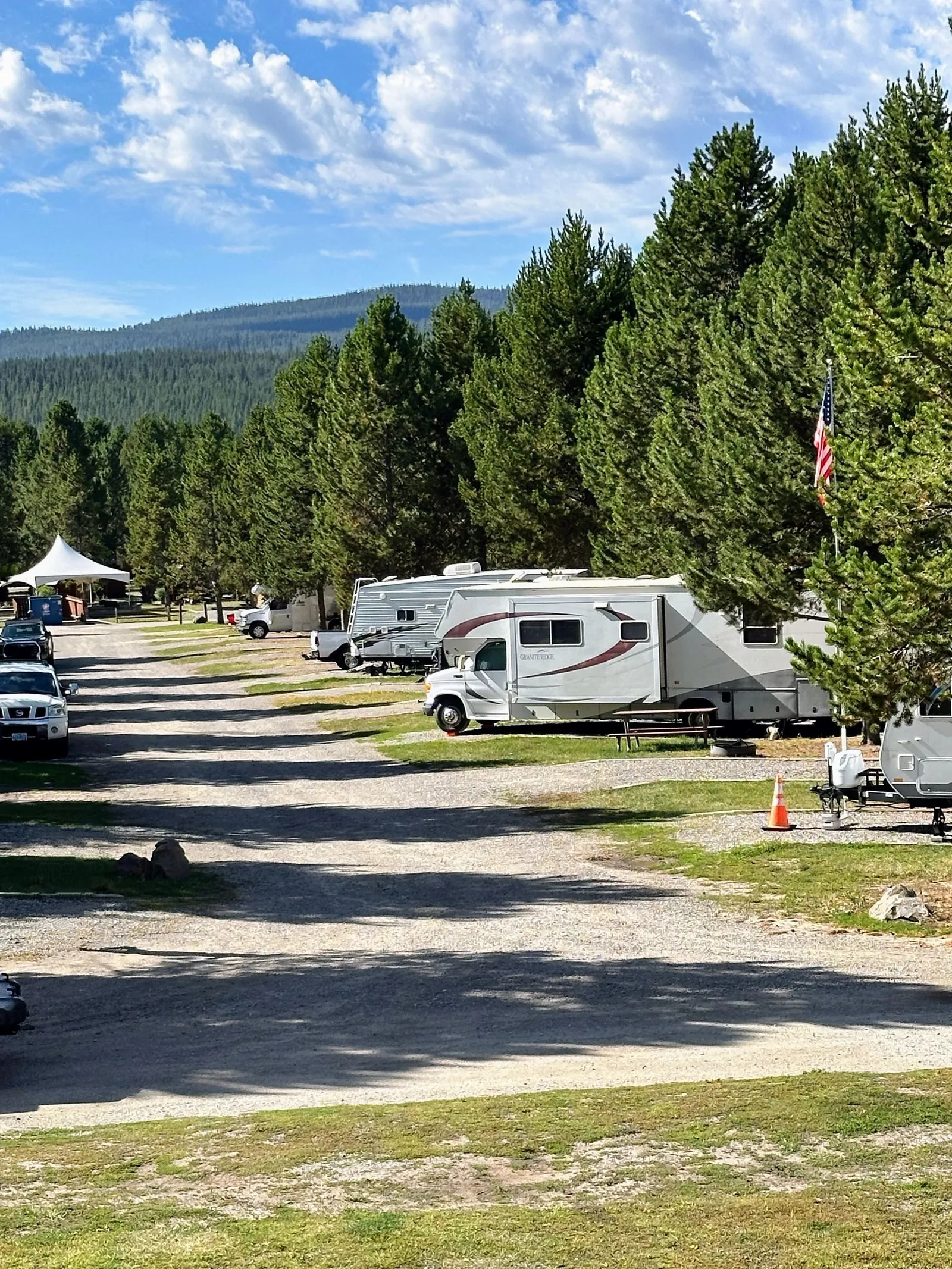
Plan a safer rockhounding and metal detecting road trip with research-backed rules, respectful collecting tips, packing advice, and useful gear.
The best road find is one you can identify, enjoy, and leave with legally. Rockhounding and metal detecting can turn an ordinary travel day into a real search, but the rules depend on the exact parcel, land manager, resource, collection method, and local restrictions.
That complexity is not a reason to stay home. It is a reason to build the permission check into the adventure. This guide gives RV travelers a practical way to choose a site, confirm what is allowed, pack only useful gear, search responsibly, and return to camp without an avoidable citation—or damage to a place worth protecting.
Why “public land” is not enough information
A map can color a huge area as public land without telling you every rule that applies inside it. A parcel may be managed by the Bureau of Land Management, Forest Service, National Park Service, a state agency, a county, or another entity. Surface ownership and mineral ownership may be different. Active mining claims, developed recreation sites, wilderness designations, closures, cultural resources, and private inholdings can change the answer again.
That is why a social post, old guidebook, map pin, or “everyone does it here” comment is not permission. Use those sources to discover possibilities, then verify the exact location through the current land manager.
The seven-step go/no-go check
1. Identify the exact parcel
Start with coordinates, not a vague place name. Confirm the access road, parking area, and intended search zone. Save an offline map because the moment you most need a property boundary is often the moment the phone loses service.
2. Identify the land manager and mineral status
Find the agency office or private owner responsible for the parcel. Ask whether the surface and mineral estate have the same owner and whether active claims or authorized mineral uses affect recreational collection.
3. Describe the activity precisely
“Can I look around?” is too vague. Say whether you plan to surface collect rocks, use a hand tool, pan, use a metal detector, dig a small recovery hole, or search for fossils. Permission for one activity does not automatically cover another.
4. Confirm the target
Rocks, mineral specimens, petrified wood, fossils, modern lost property, and cultural artifacts are not interchangeable under the rules. If you do not know what category a possible find belongs to, do not remove it.
5. Confirm tools and quantity
Ask which hand tools are permitted, how much surface disturbance is acceptable, whether holes must be refilled, and what the local office considers a reasonable personal-use amount. Motorized or mechanical equipment is a different level of activity and often requires separate authorization.
6. Check access and temporary restrictions
Road closures, wildfire restrictions, habitat protection, wet roads, high fire danger, and seasonal gates can make a normally available site unavailable today. Confirm where the RV, tow vehicle, or passenger vehicle may travel and park.
7. Save the answer
Record the office, staff member or owner, date, phone number, webpage, permit, and conditions. A screenshot or note is much more useful than trying to reconstruct a conversation in the field.
How the major federal land rules differ
Bureau of Land Management land
The BLM rockhounding guidance generally allows reasonable amounts of rocks, mineral specimens, and semiprecious gemstones for personal, noncommercial use on many BLM-managed public lands. It also lists important exceptions, including developed recreation sites, active mining claims or other authorized mineral uses, privately owned mineral estates, and areas with special restrictions.
BLM describes casual use as negligible disturbance, such as collecting samples with hand tools or hand panning without mechanized equipment or explosives. The agency still recommends contacting the local field office, especially where cumulative use or site-specific resources may change what is allowed. Its current rock-collection FAQ is a useful starting point, not a substitute for the local check.
National forests and grasslands
Forest Service policy generally allows low-impact recreational rock and mineral collection, gold panning, and metal detecting on many National Forest System lands. However, local restrictions, wilderness, cultural or historical sites, developed sites, mineral claims, and the level of disturbance can change the answer. The agency’s current rockhounding guidance says checking with the local district is always wise.
National parks
The rule is much more restrictive. The National Park Service says recreational collecting of rocks, minerals, and paleontological specimens is generally prohibited throughout the National Park System, with narrow exceptions that should never be assumed. The NPS also prohibits possessing or using metal detectors in national parks. Review the NPS recreational-collecting guidance before carrying search equipment into a park unit.
State, local, tribal, and private land
These rules are location-specific. State parks, beaches, reservoirs, city property, county parks, tribal lands, and private ranches may each have separate laws, permits, hours, or total bans. Get permission from the correct authority or owner before entering or collecting, and do not treat an open gate or an unposted boundary as consent.
Artifacts and fossils require a different mindset
A metal signal can be modern litter, a recently lost object, or a protected piece of history. A shaped stone, pottery fragment, old bottle, worked metal, bone, or object near a historic structure may be part of an archeological site even if there is no sign.
The federal archeology program warns that metal detecting, digging, or removing archeological materials on federal land without authorization can violate the Archaeological Resources Protection Act. Its anti-looting guidance explains why the object’s location and context matter as much as the object itself.
If a find may be cultural, archeological, funerary, sacred, or historically significant:
- Stop digging and leave the object in place.
- Do not clean, rearrange, or stage it for a photograph.
- Record the location privately without posting exact coordinates.
- Contact the land manager and follow their reporting instructions.
- If human remains may be involved, leave the area and contact the appropriate authorities immediately.
Fossil rules also vary by land manager and type of fossil. Do not assume that permission to collect rocks includes fossils.
A practical road-finds gear list
Good field gear protects the person, the land, and the information attached to a find. It does not need to fill an entire RV compartment.
Useful for either activity
- Offline map, compass or GPS, and written return directions
- Water, sun protection, weather layers, and a basic first-aid kit
- Eye protection, durable gloves, and closed-toe footwear
- Small trash bag for modern litter
- Notebook, pencil, labels, and phone or camera
- Bucket or padded container sized to the amount you are actually allowed to carry
For rockhounding
- Hand lens or loupe
- Small magnet and simple field-identification reference
- Specimen bags or paper wraps with location labels
- Appropriate small hand tool only after the land manager confirms it is allowed
For metal detecting
- Detector suited to the ground and the target—not simply the most expensive model
- Pinpointer, recovery pouch, and spare batteries or charged power bank
- Digging or recovery tool only where ground disturbance is allowed
- Separate container for sharp metal and trash removed from the site
Before buying specialized equipment, borrow or rent when practical and learn what the places you visit actually permit. Our road-ready gear framework explains how we decide whether a tool earns space in the Green Machine.
What we would not buy first
- A professional detector before understanding target type, soil, and local permission
- Large hammers, pry bars, or powered equipment for casual recreation
- A giant specimen case that encourages collecting more than you can label or legally keep
- Specialized recovery tools before confirming that digging is allowed at the planned sites
The first upgrade should usually be better research, safer footwear, reliable navigation, or a system for labeling finds—not a more aggressive way to disturb the ground.
A low-impact field routine
- Park only where allowed and avoid blocking gates, roads, livestock access, or emergency routes.
- Photograph the general landscape before searching so you can recognize the return route.
- Start with a small test area instead of wandering farther than planned.
- Keep finds associated with their location notes; an unlabeled rock quickly becomes just another rock in the rig.
- Use the minimum allowed disturbance, refill every permitted recovery hole, and replace the surface as closely as possible.
- Pack out litter, broken glass, wire, and sharp modern debris when it is safe to do so.
- Stop before heat, storms, darkness, fatigue, or a difficult road turns the search into a rescue problem.
Plan the RV as a base camp, not a field vehicle
Many promising search areas are reached by roads that are narrow, rutted, muddy, steep, or missing a safe turnaround. Unless the land manager and road conditions clearly support the rig, establish a legal base camp and use a more suitable vehicle for the final approach.
Record the road surface, gate width, bridge limits, parking area, turnaround, cell coverage, fuel range, daylight, and weather escape plan. Our 15-point RV trip-planning checklist covers the route and campsite systems that should be settled before the search-day details take over.
A simple one-day Road Finds plan
The evening before
- Recheck the parcel, permission, closure notices, weather, and access road.
- Save the land-manager contact and offline map.
- Pack water, safety equipment, allowed tools, labels, and a firm turnaround time.
Search morning
- Arrive after legal access hours and inspect the approach before committing the vehicle.
- Confirm that signs and conditions match the plan.
- Search one defined area, label anything legally collected, and keep a running time check.
Return to camp
- Clean tools so soil, seeds, and debris are not carried to the next site.
- Review photos and notes before location details fade.
- Record what gear helped, what stayed unused, and what permission question should be asked next time.
Road Finds FAQs
Can you rockhound on all BLM land?
No. BLM generally permits reasonable noncommercial collection on many parcels, but developed sites, active claims, private mineral estates, special designations, and local restrictions may prohibit it. Confirm the exact site with the local BLM office.
Can you use a metal detector in a national park?
No. National Park Service guidance prohibits possessing or using a metal detector in national parks. Plan detecting activities outside park boundaries only where the responsible land manager explicitly allows them.
Can you keep an old coin or metal object found on public land?
Do not assume so. Age, context, location, land-management rules, cultural-resource law, and lost-property rules can all matter. If it may be historic or part of a site, leave it in place and contact the land manager.
What if a map shows an active mining claim?
Treat the area as unavailable for casual collection until the land manager and rights holder confirm what is permitted. Do not disturb markers, equipment, workings, stockpiles, or material associated with a claim.
How much rock can you take?
There is no safe nationwide number for every parcel and resource. “Reasonable amount” may be defined differently by state office, material, or site. Ask the local office and record the limit before collecting.
The Green Machine Road Finds standard
We want the search to add meaning to the trip without subtracting from the place. That means exact-parcel research, permission before tools come out, no artifacts, minimal disturbance, labeled finds, packed-out litter, private treatment of sensitive locations, and a willingness to leave empty-handed.
Use the free Ready-to-Roll RV Trip Planner to save land-manager contacts, access notes, weather, safety details, and the return plan. Then visit the Road Finds collection as this part of Green Machine Adventures grows.
Planning note: Federal guidance was reviewed in August 2026. This article is general trip-planning information, not legal permission. Laws, land status, closures, claim information, collection limits, and local rules can change; verify the exact parcel and activity with the current land manager before entering, detecting, digging, or collecting.

First-hand field notes
Written by Amy & Ryan
We share RV travel, comfortable glamping, unusual road finds, wellness routines, and honest lessons from our own Green Machine adventures.
Meet us and the Green Machine